QSF ultra-low temperature
quick freezing
Quick Super Freeze. Fresh food is brought to a core temperature of −55°C within 30 minutes, at −60°C to −80°C. Cold energy recovered from LNG at −162°C is the base refrigeration for both freezing and storage, with −60°C electric freezers running alongside it.
How freezing damages food
Freezing damage occurs in the maximum ice crystal formation zone, between −1°C and −5°C. Water inside and around the cells forms ice crystals there, and the longer the product spends in that band, the larger those crystals grow and the more they rupture cell membranes. Ruptured cells release moisture, water-soluble nutrients and flavour compounds as drip during thawing.
Conventional freezing takes roughly 150 minutes to cross that band. The QSF process crosses it in about 10 minutes and reaches a core temperature of −55°C within 30 minutes.


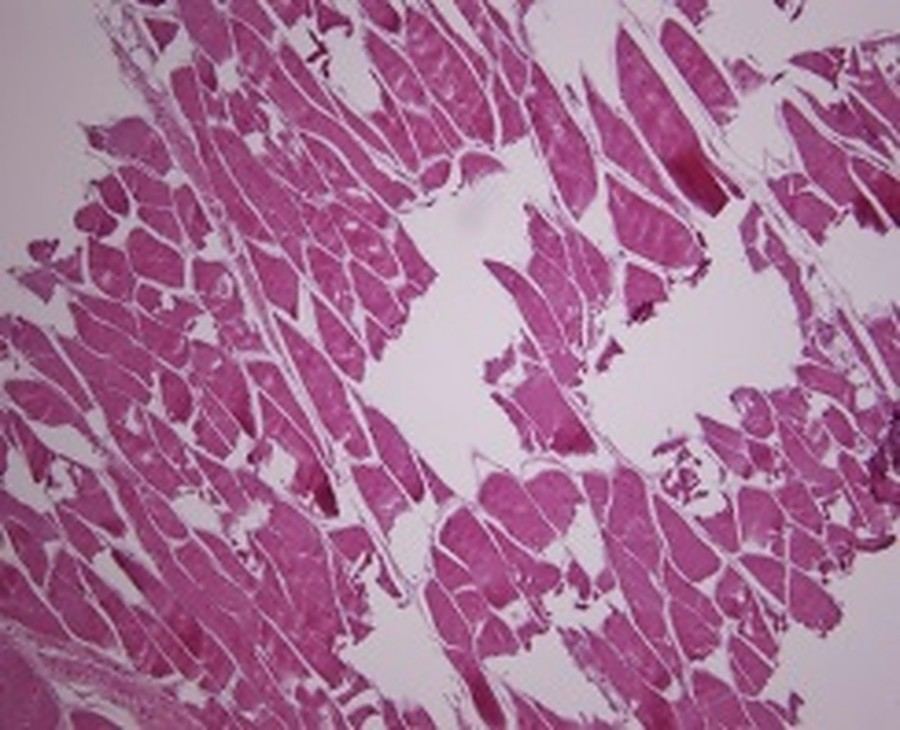
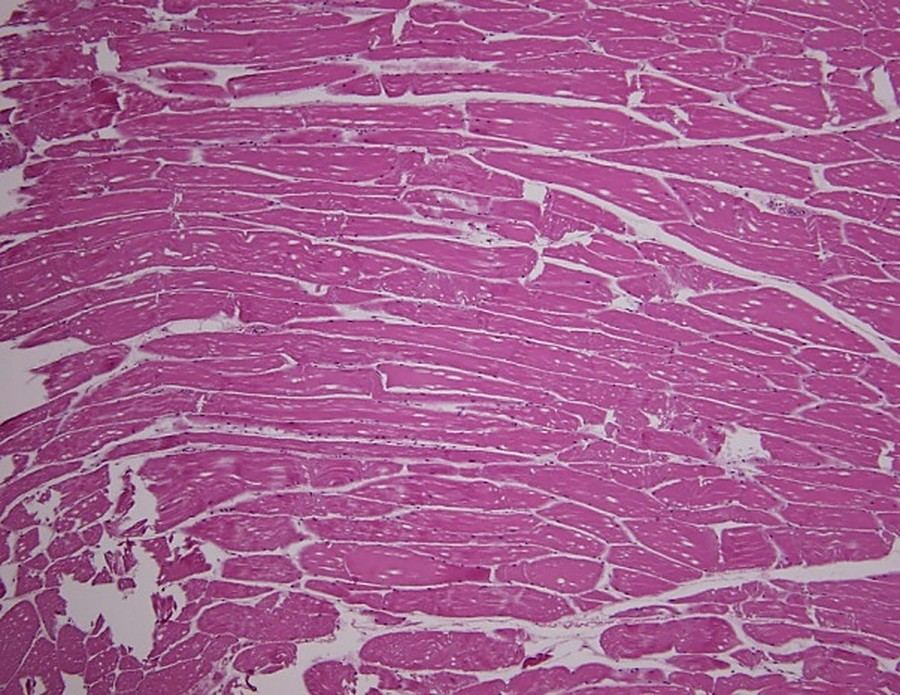
From the Gyeongnam QSF information memorandum. The same raw material was frozen under each condition and sectioned for comparison.
Seven things that do not happen at −60°C
The eutectic point, and what it means
The eutectic point is the temperature at which all water and solutes within the food are frozen. For fish and meat it falls between −55°C and −65°C. Below it, unfrozen water is minimised and enzymatic reactions and fat oxidation are strongly suppressed. Conventional freezers never reach it — which is why quality continues to deteriorate even while the product remains frozen.
| Drip loss | 3% or less (conventional frozen: 5–25%) |
| Quality retention | 3–5× conventional frozen |
| Colour | Myoglobin oxidation suppressed below −50°C |
| Additives | None used |
Refrigeration source and energy independence
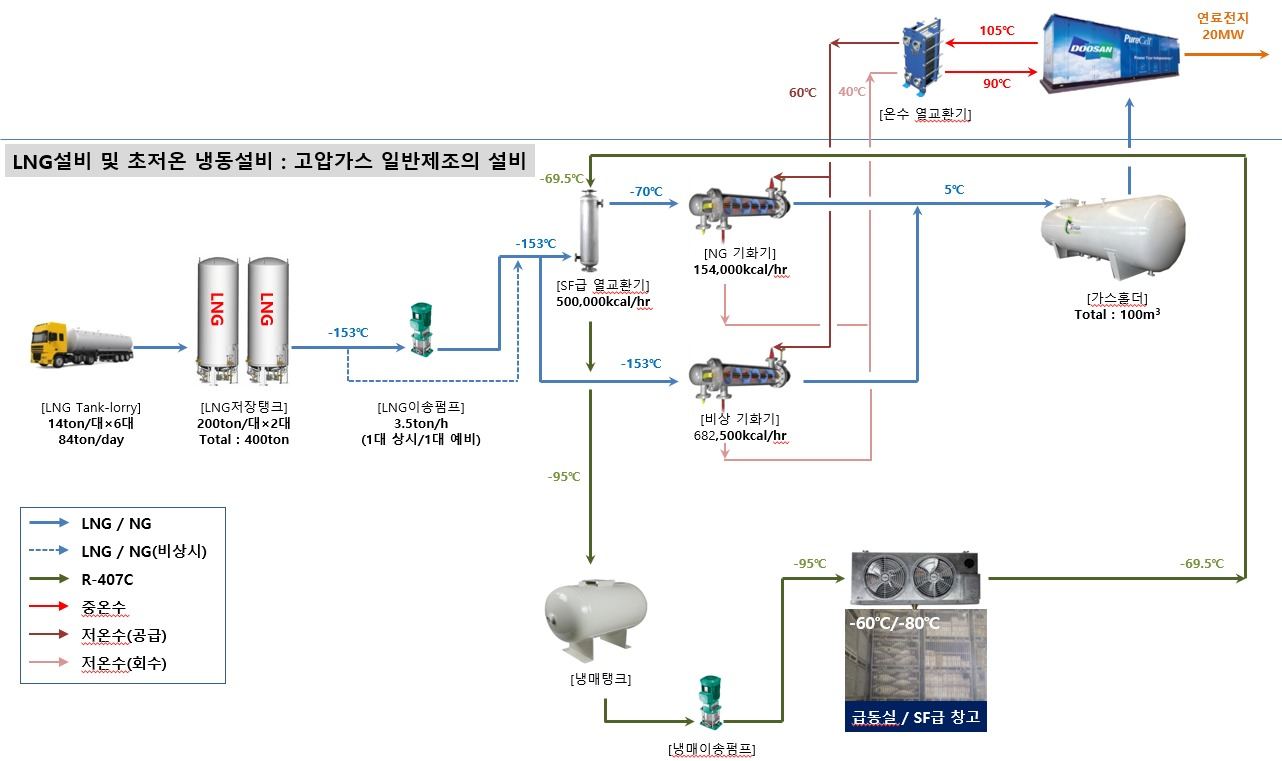
Because the cold energy itself carries no electricity cost, ultra-low temperature freezing becomes viable for seafood, meat and produce — not only for high-value species.
Published evidence
| Eutectic point of fish and meat: −55°C to −65°C | Food Refrigeration and Freezing (2014) |
| Superior quality of lamb frozen below −60°C | Hong et al., Korean J. Food Sci. Anim. Resour. 38(5), 2018 |
| Optimal freezing rate for meat at −50°C | Grujic et al., Meat Science 33, 1993 |
| Prevention of myoglobin browning below −50°C | Science and Technology of Meat Products (2017) |