Korean seafood and Hanwoo beef, frozen the moment they are landed or dressed. Recovered LNG cold energy does the base refrigeration, with −60°C electric freezers running alongside it. The electricity is our own, from renewables.
We are not a warehouse for hire, and we are not a contract packer. Sourcing, freezing, certification, OEM production and export are all ours.
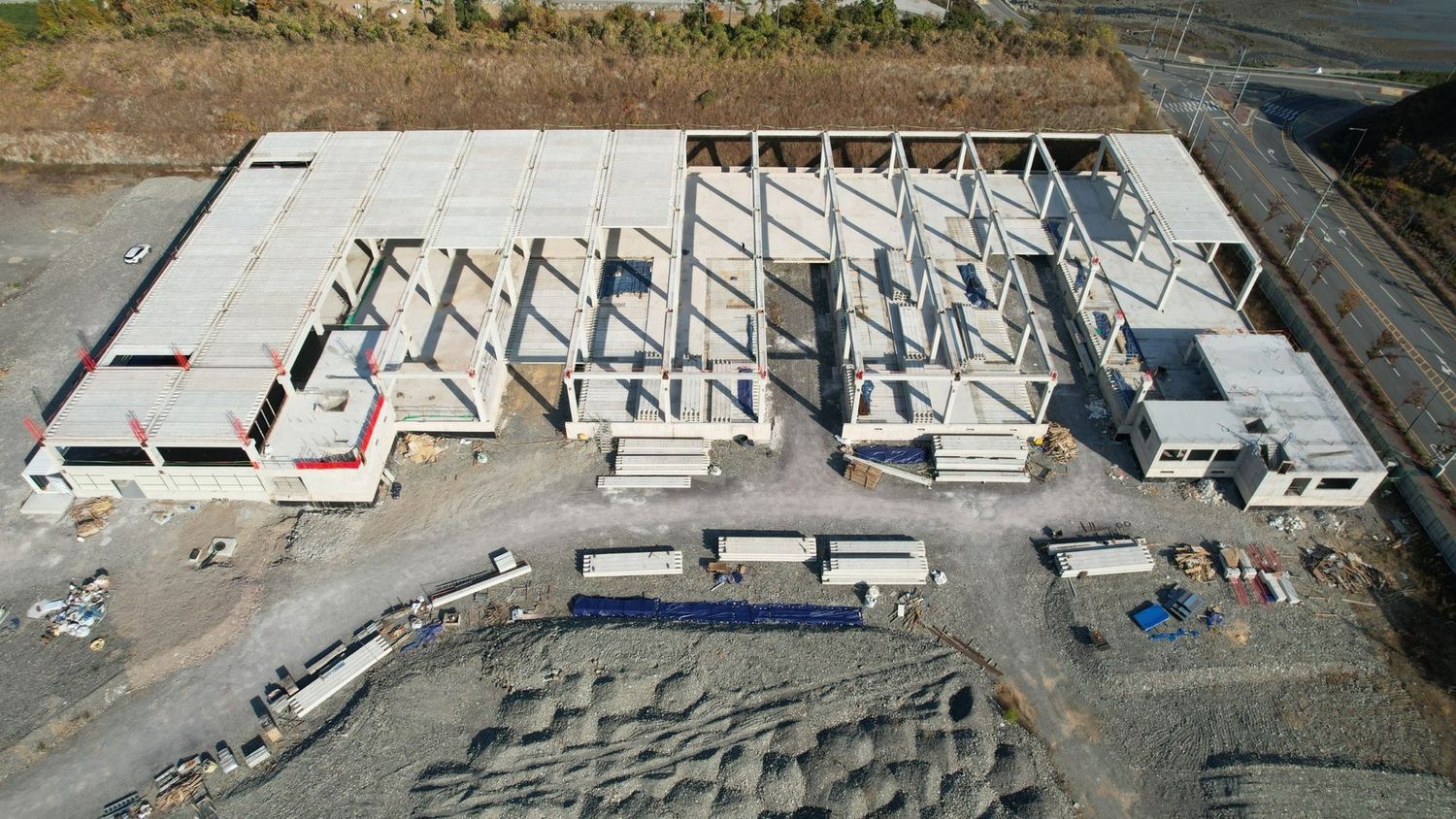
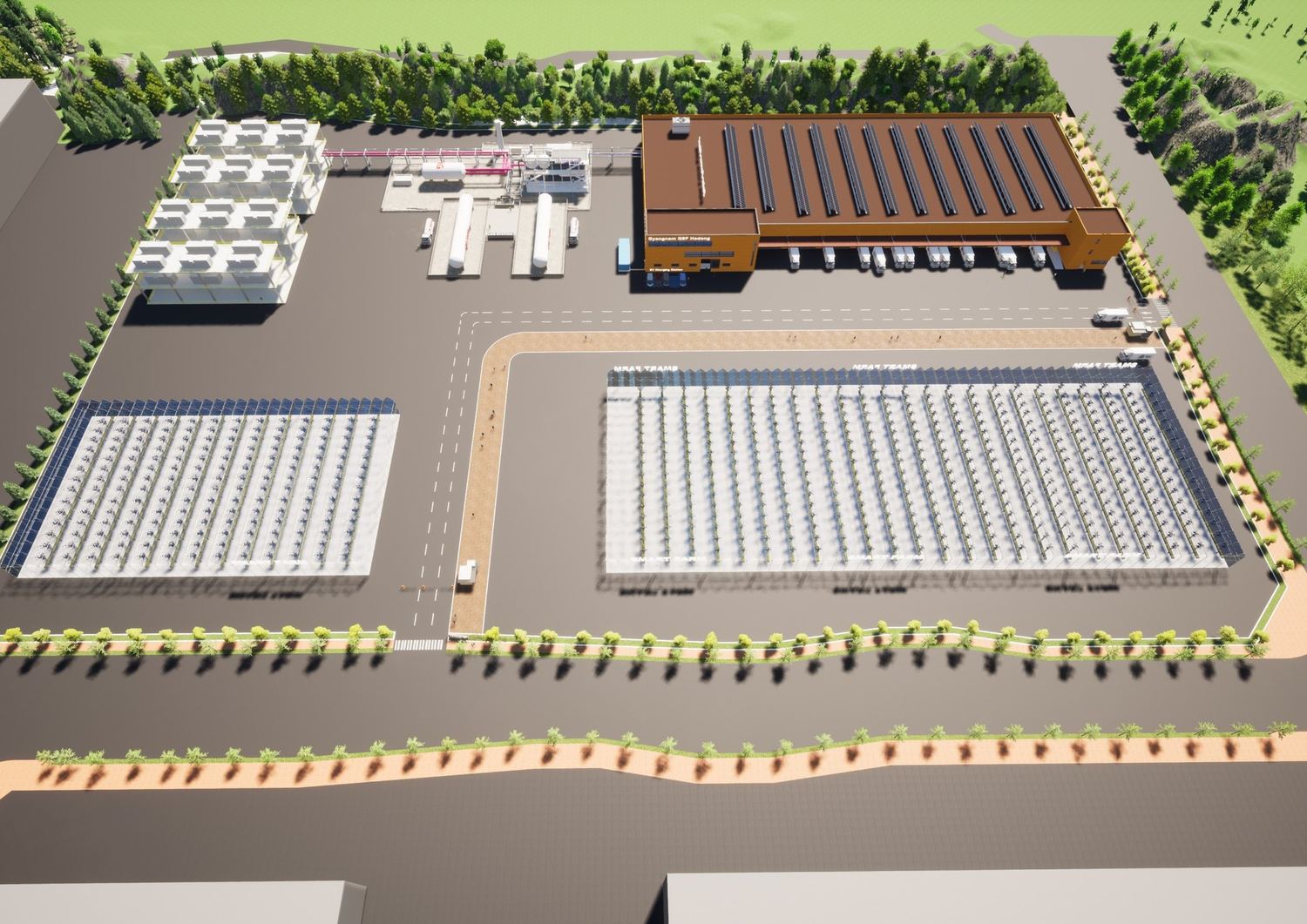
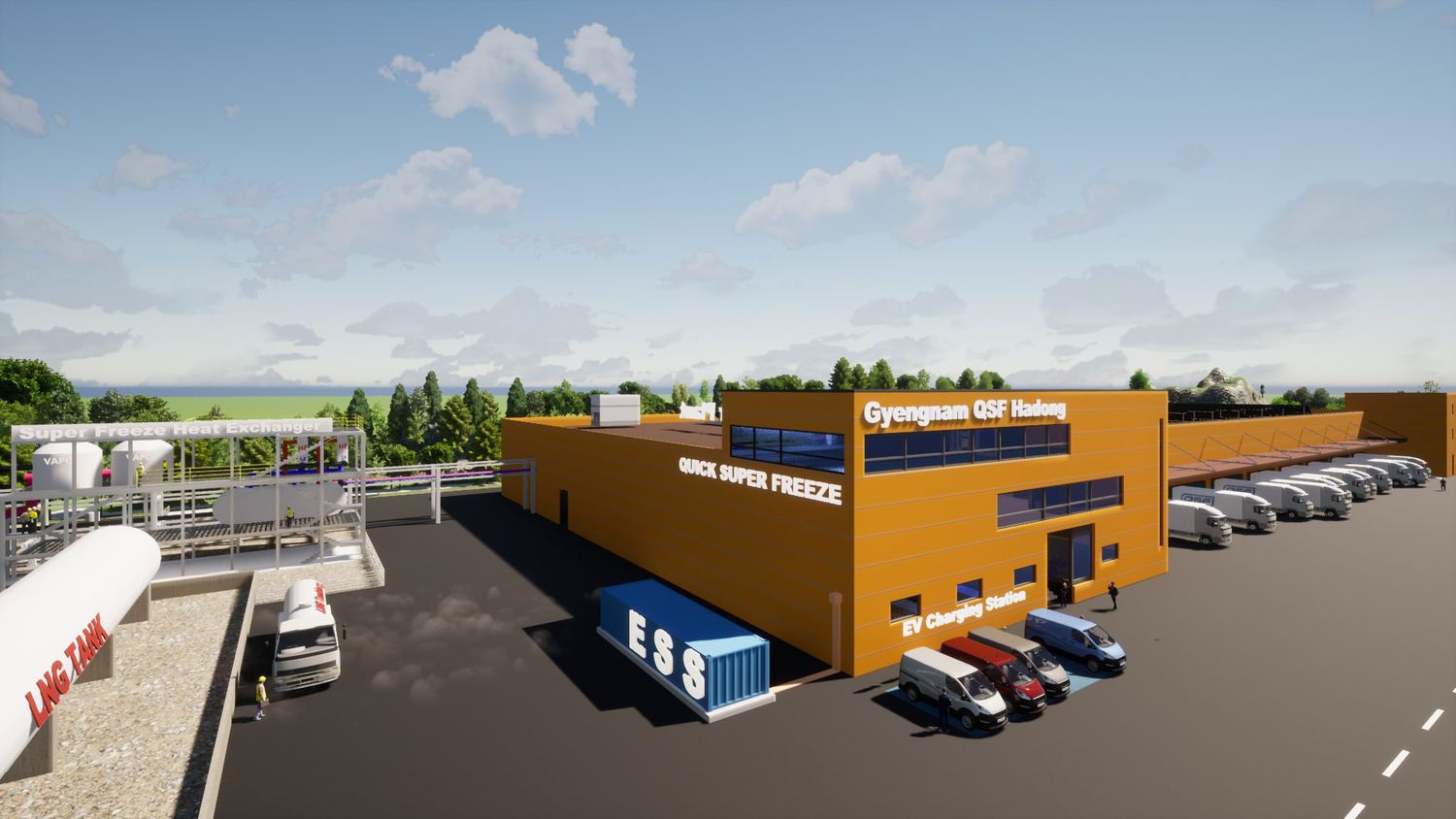
We started in ultra-low temperature food in 2014, and are now building a processing centre with 2,808 tonnes of storage at the Daesong industrial complex in Hadong.
Australian wagyu is on the menu in Korean restaurants from Seoul to Los Angeles.
Not because it is better than Hanwoo. Because Hanwoo could not get there, and wagyu could. That was never a question of livestock. It was a question of freezing.
Premium Korean food commands its price at home and loses it on the way out. Until now there were two options, and neither of them preserved the product.
| Chilled | Conventional frozen −18°C | QSF −60°C | |
|---|---|---|---|
| Shelf life | About 3 days | 3–6 months, declining | 3–5× conventional frozen |
| Transport | Air only | Sea | Sea |
| Drip on thawing | None | 5–25% | 3% or less |
| Freezing cost | High | Up to 10% of unit cost | Reduced by LNG cold energy |
| How it lands | Downgraded if the chain breaks | Sold as ordinary frozen | Holds its premium |
Ice crystals grow largest between −1°C and −5°C, and that is where cell walls are destroyed. What decides quality is not how cold you go, but how fast you cross that band.
Ultra-low temperature cannot avoid electricity. Pulling heat out fast takes power, and the plant itself runs on it. But carrying −60°C on electricity alone draws several times a conventional cold store, and on lower-value products freezing alone can reach 10% of unit cost. That is why it stayed with high-value species such as bluefin tuna.
LNG arrives in Korea as a liquid at −162°C and is regasified before entering the pipeline network. The cold energy released is equivalent to the annual output of a nuclear power unit, and most of it goes into the sea. We use it as the base refrigeration for both freezing and storage, with electric freezers carrying the rest.
We made the electricity we cannot avoid almost free. LNG cold energy, solar generation, battery storage and fuel cells are run as one energy system: the cold is recovered waste and the power is our own. Running at −60°C costs us almost nothing in energy.
Korea had no land-based ultra-low temperature food plant of this kind. Not because the technology was missing, but because the economics were. Gyeongnam QSF is the first in the country to build the energy system that solves both the cold and the power.
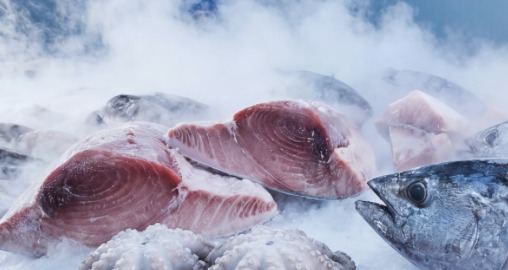
Frozen to −60°C on landing. Sashimi grade retained.
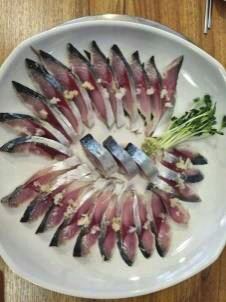
Frozen on landing. Still sashimi grade after six months.
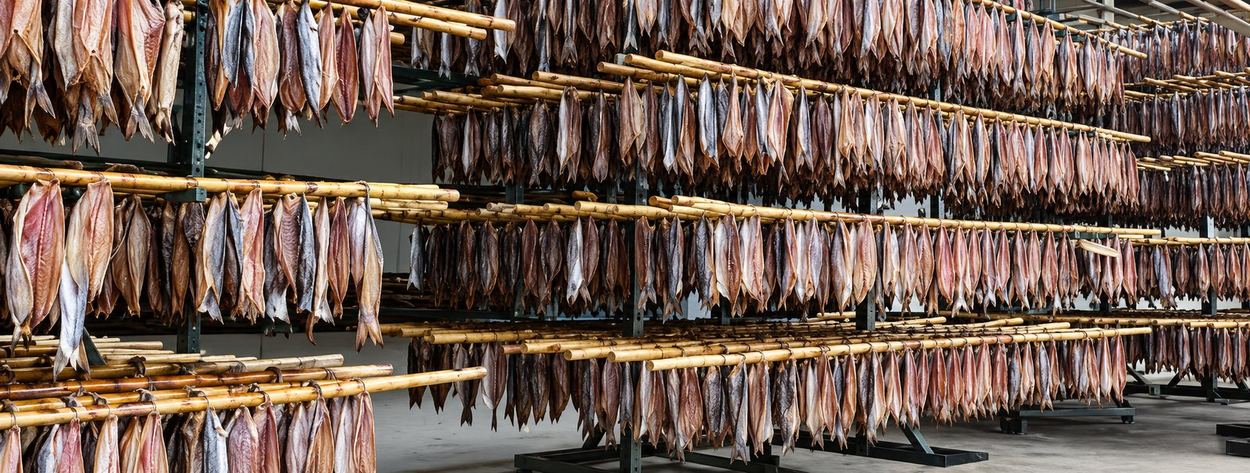
Long storage without structural damage.
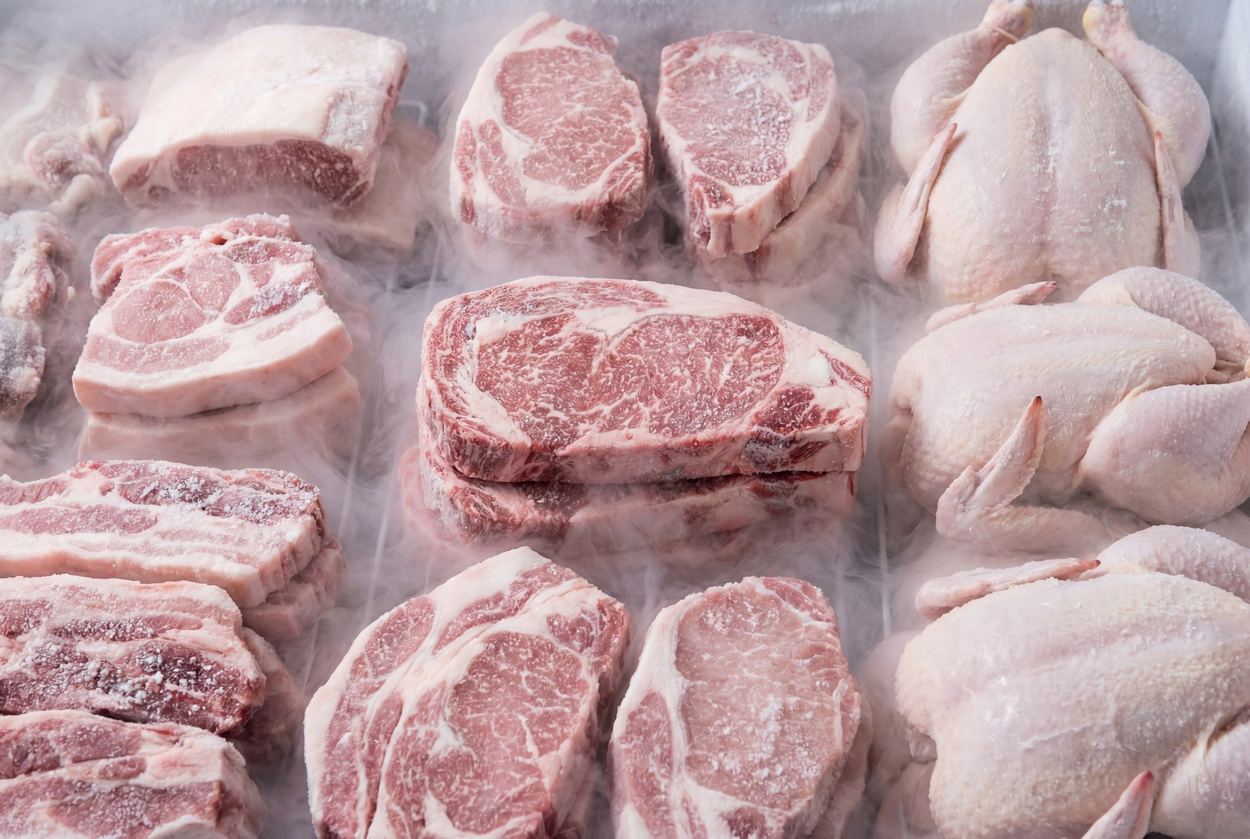
Loin and striploin. Below −50°C, myoglobin oxidation is suppressed.


The plant sits close to the South Sea fishing grounds and draws its cold energy from a nearby LNG terminal. That cold is the base refrigeration for both freezing and storage, with −60°C electric freezers running alongside it. Raw material reaches the freezing chambers within hours; finished goods are loaded at Gwangyang Port without inland transport.
Access for Hanwoo beef depends on bilateral quarantine agreements and differs by country. We confirm the status of your destination market in writing before any order is placed.
| Market | Status | Notes |
|---|---|---|
| Hong Kong | Open | Largest market for Hanwoo beef today |
| Singapore | Open | Origin conditions to be confirmed |
| Mongolia | Open | Currently shipping |
| Thailand | In progress | Quarantine negotiation at final stage |
| Malaysia · Indonesia · Middle East | Halal required | Open once halal certification is in place |
We work with overseas buyers, distributors and OEM · private label partners. Plant visits can be arranged once the facility is in operation.
Make an enquiry